London – 3 November 2026
Display stages giant seat-in protest to show support for laid-off workers and small software teams of tomorrow
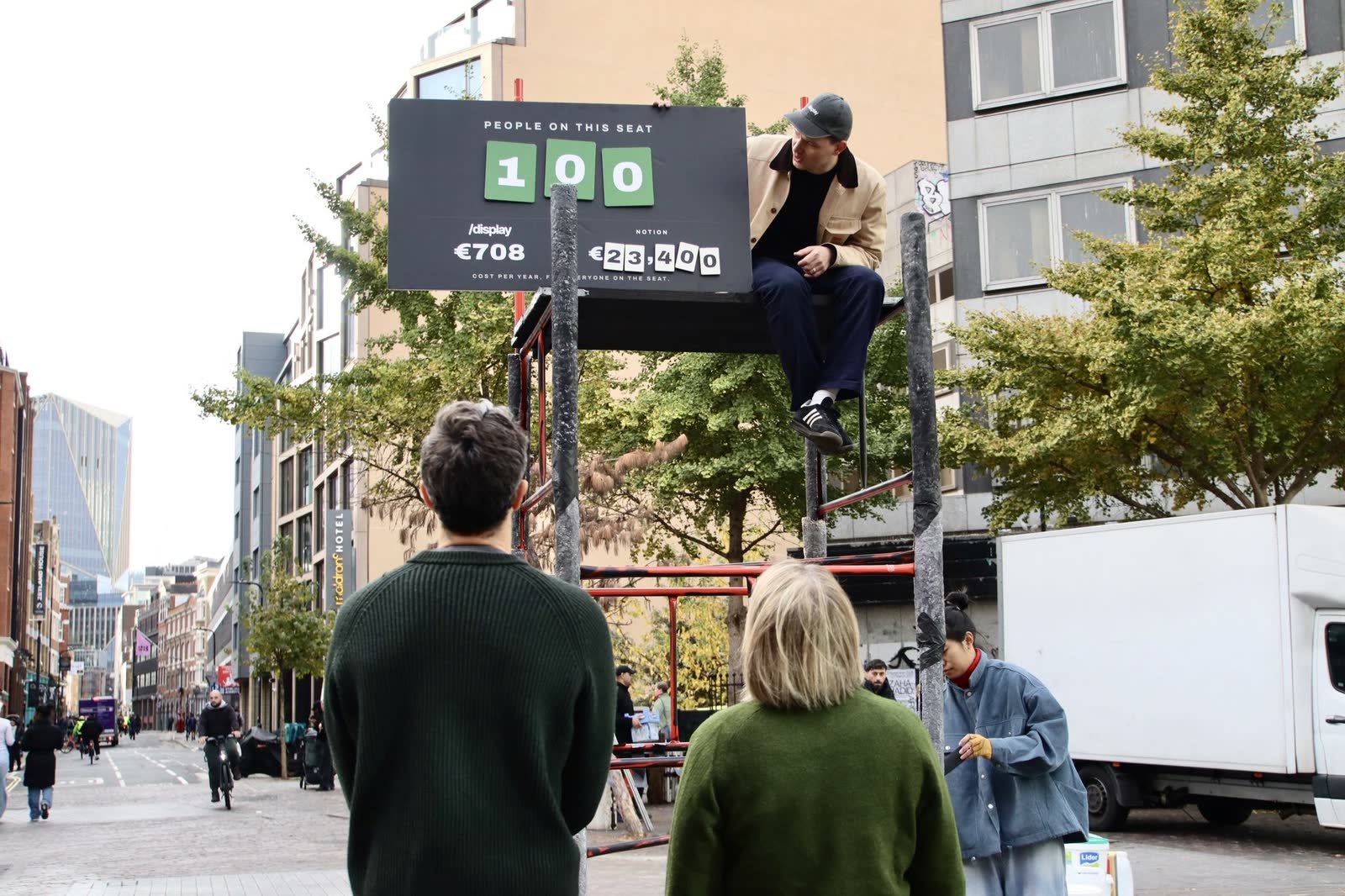
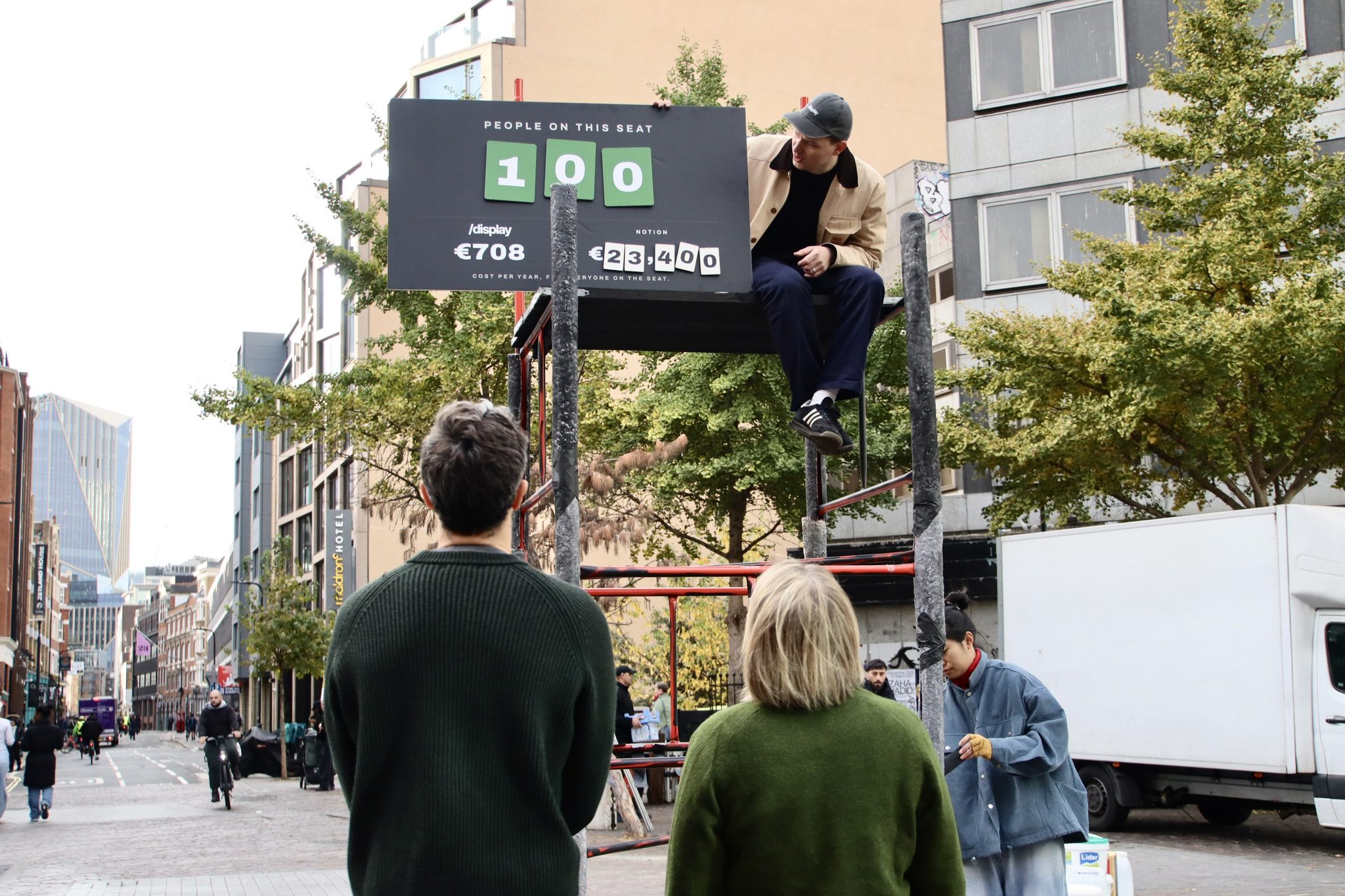
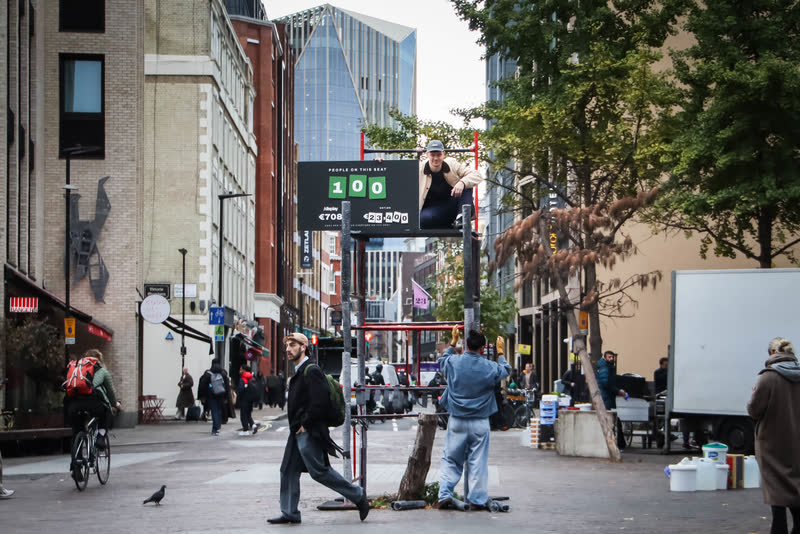
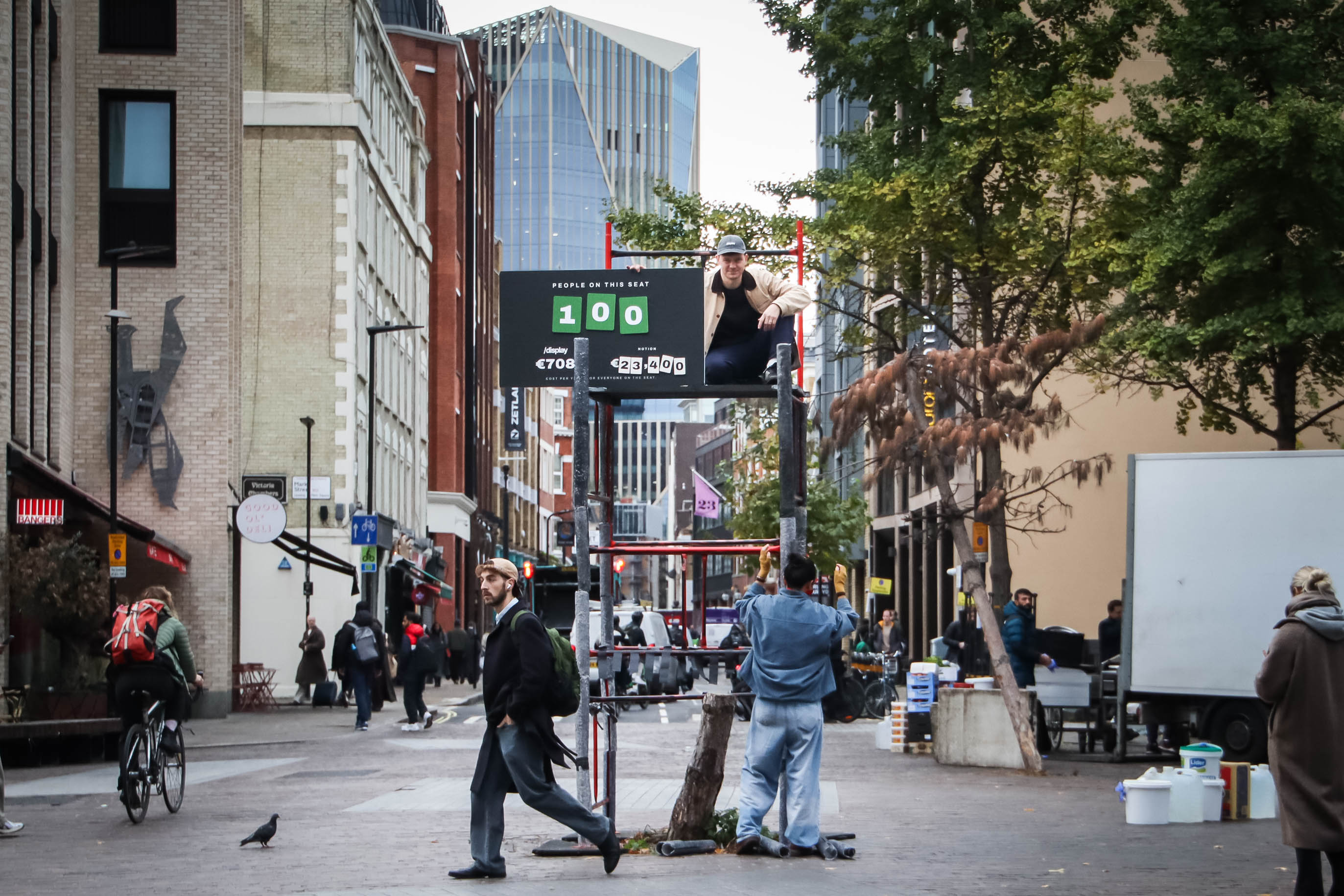
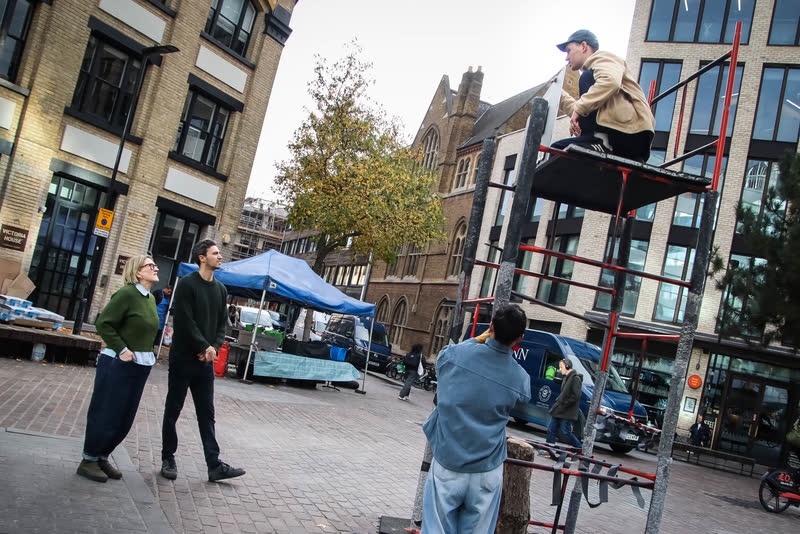
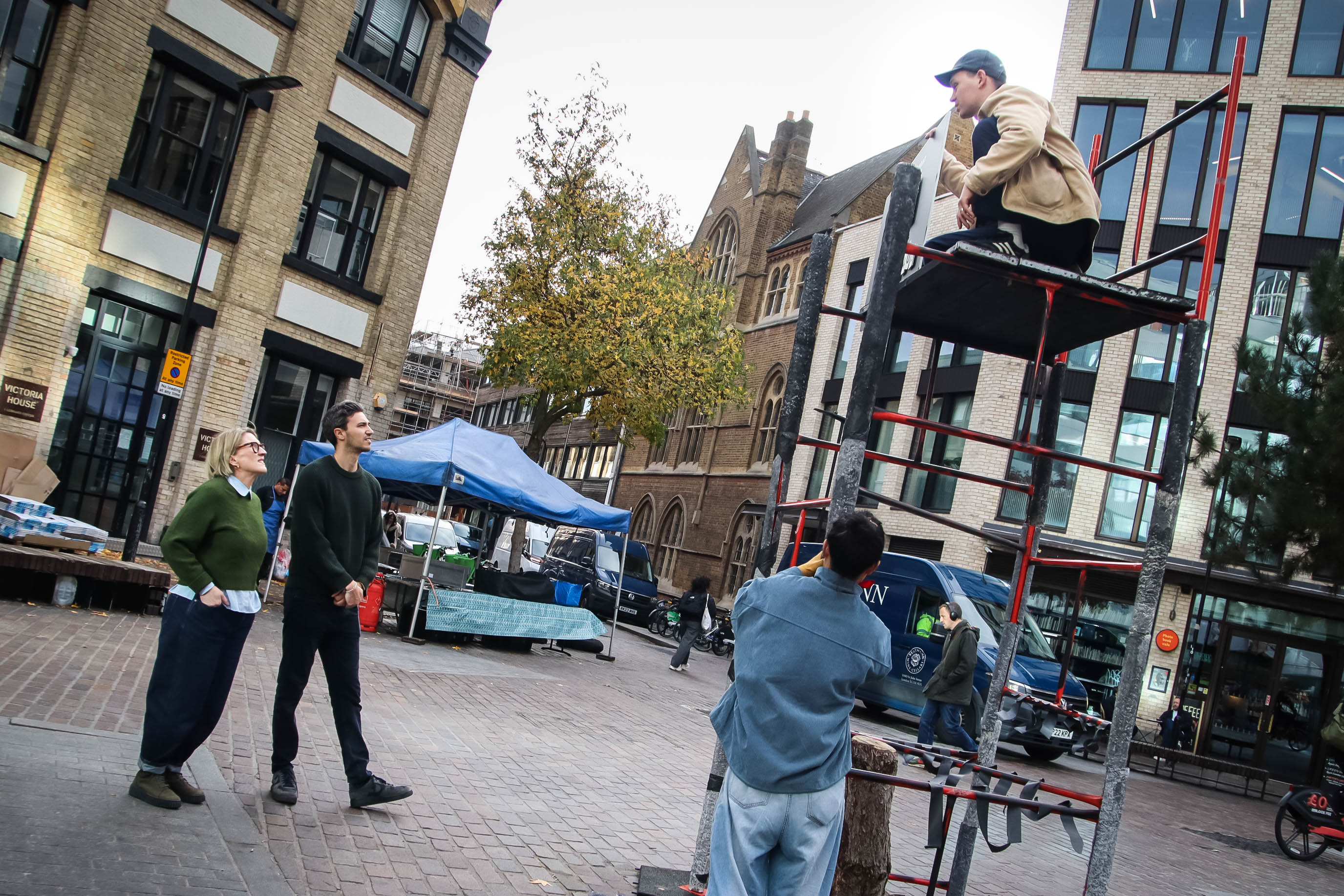
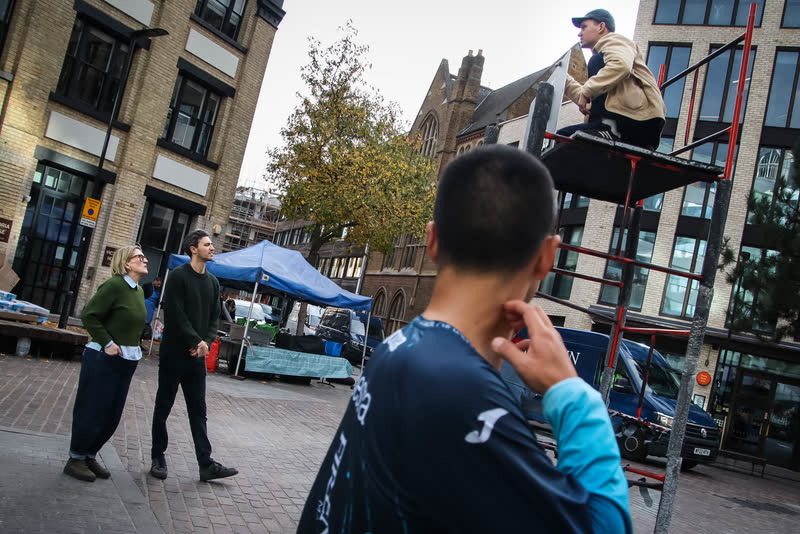
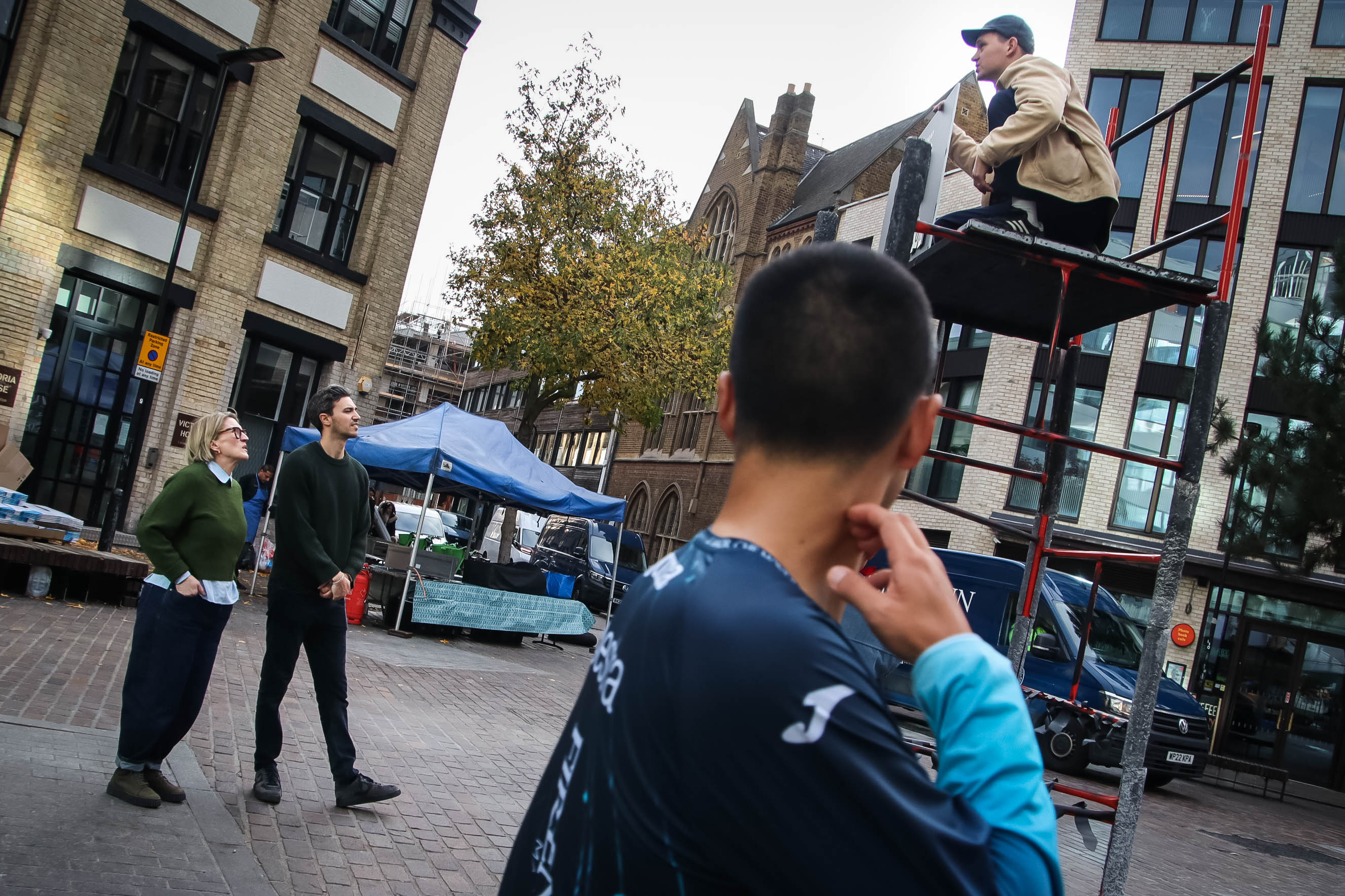
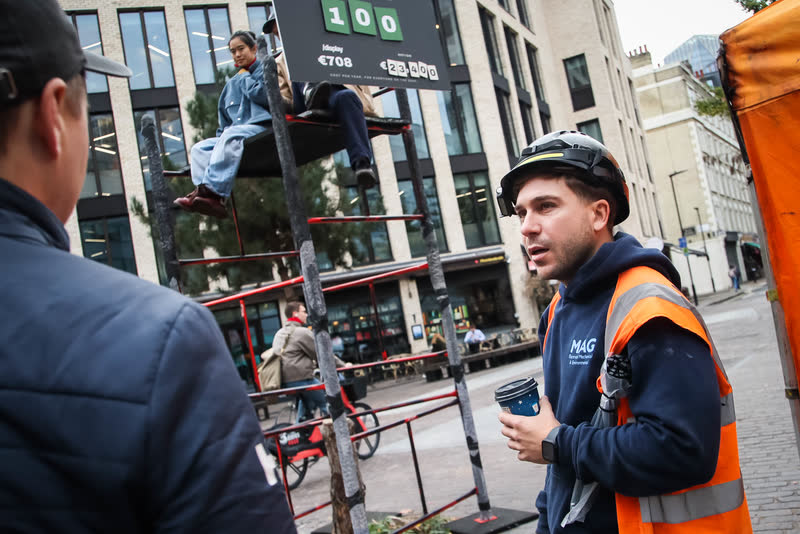
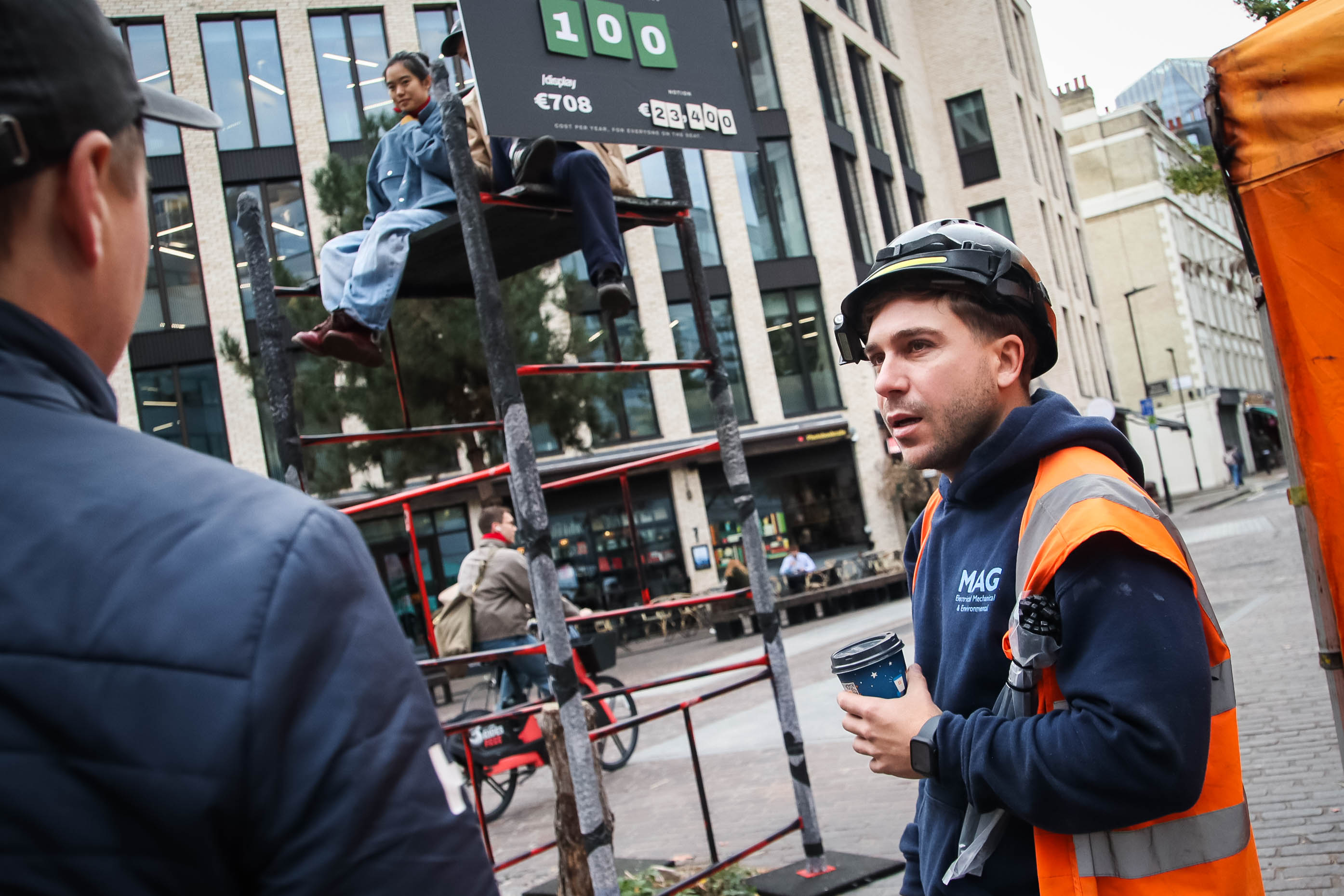
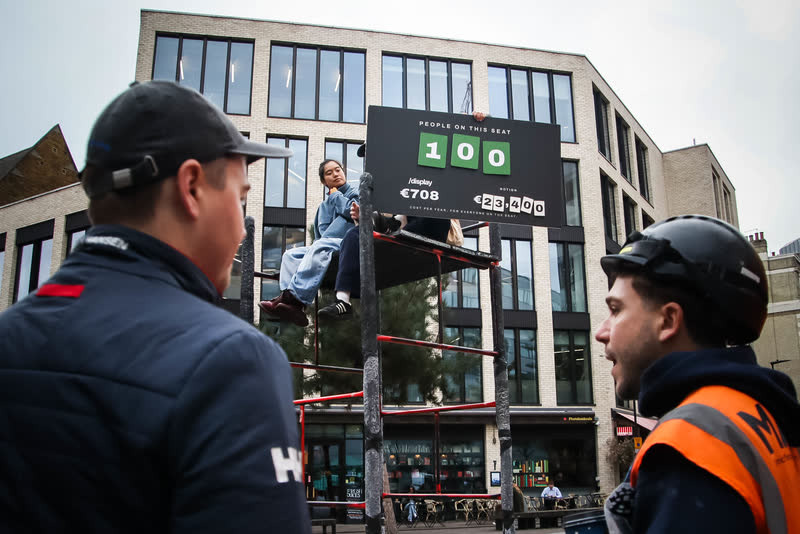
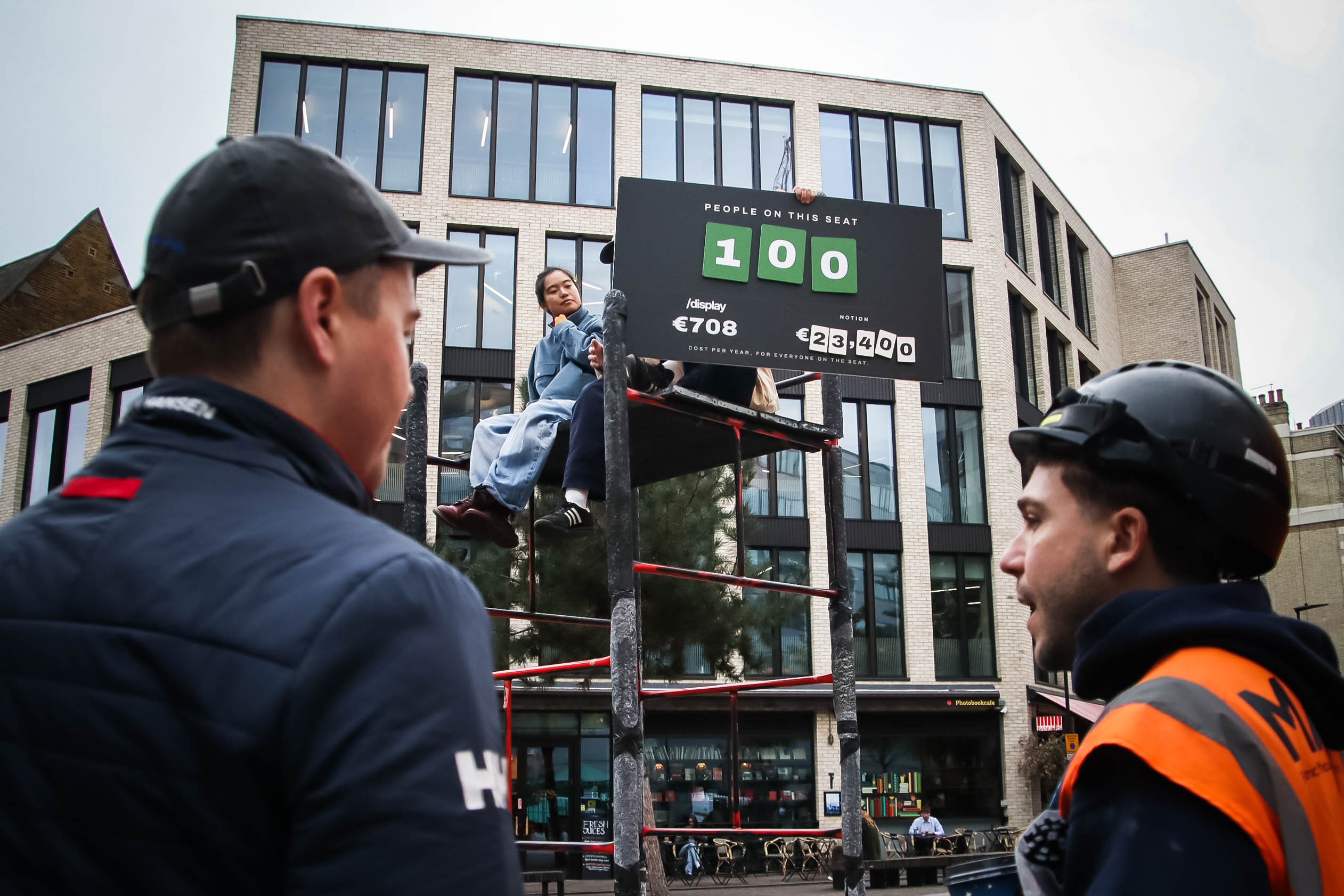
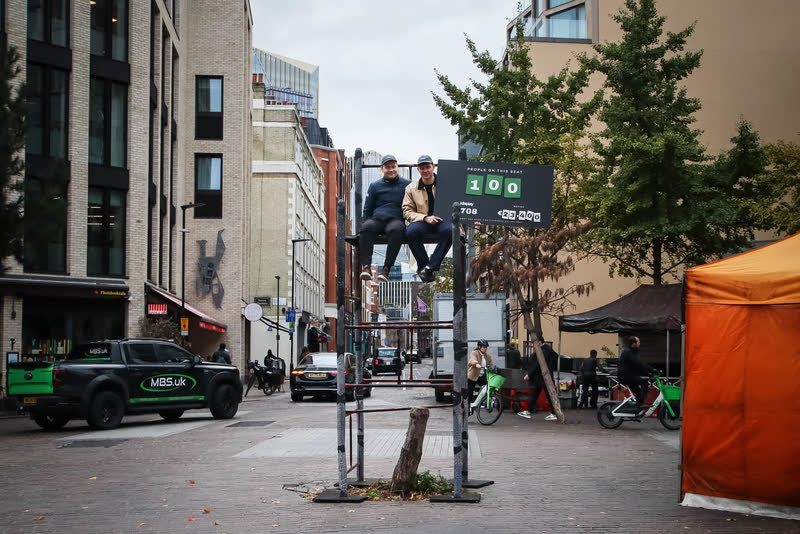
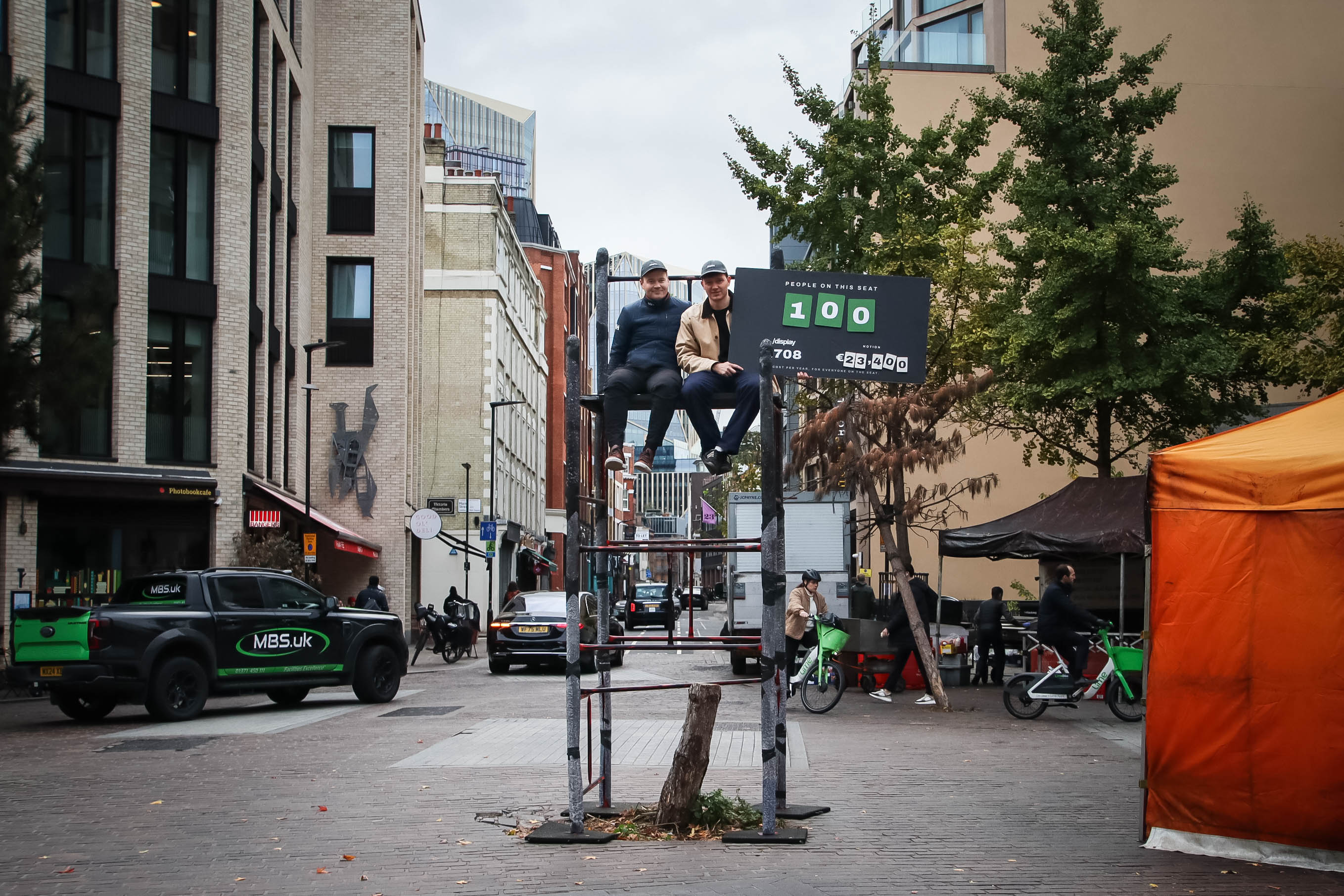
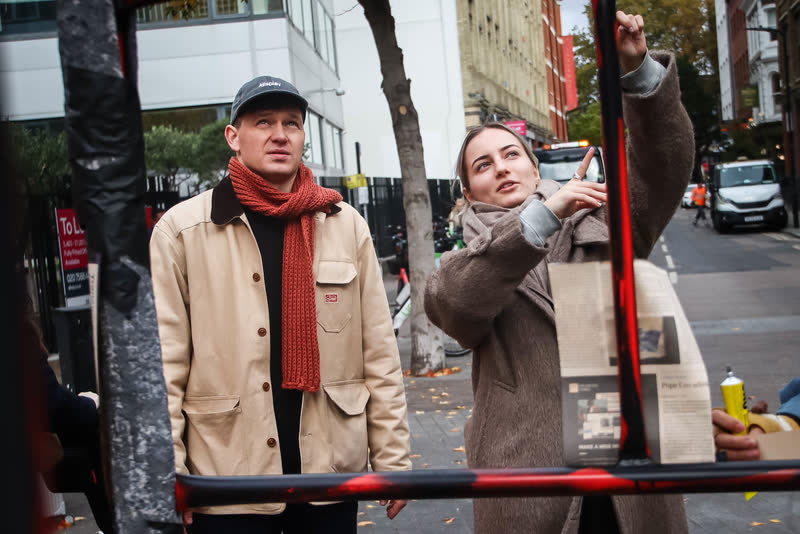
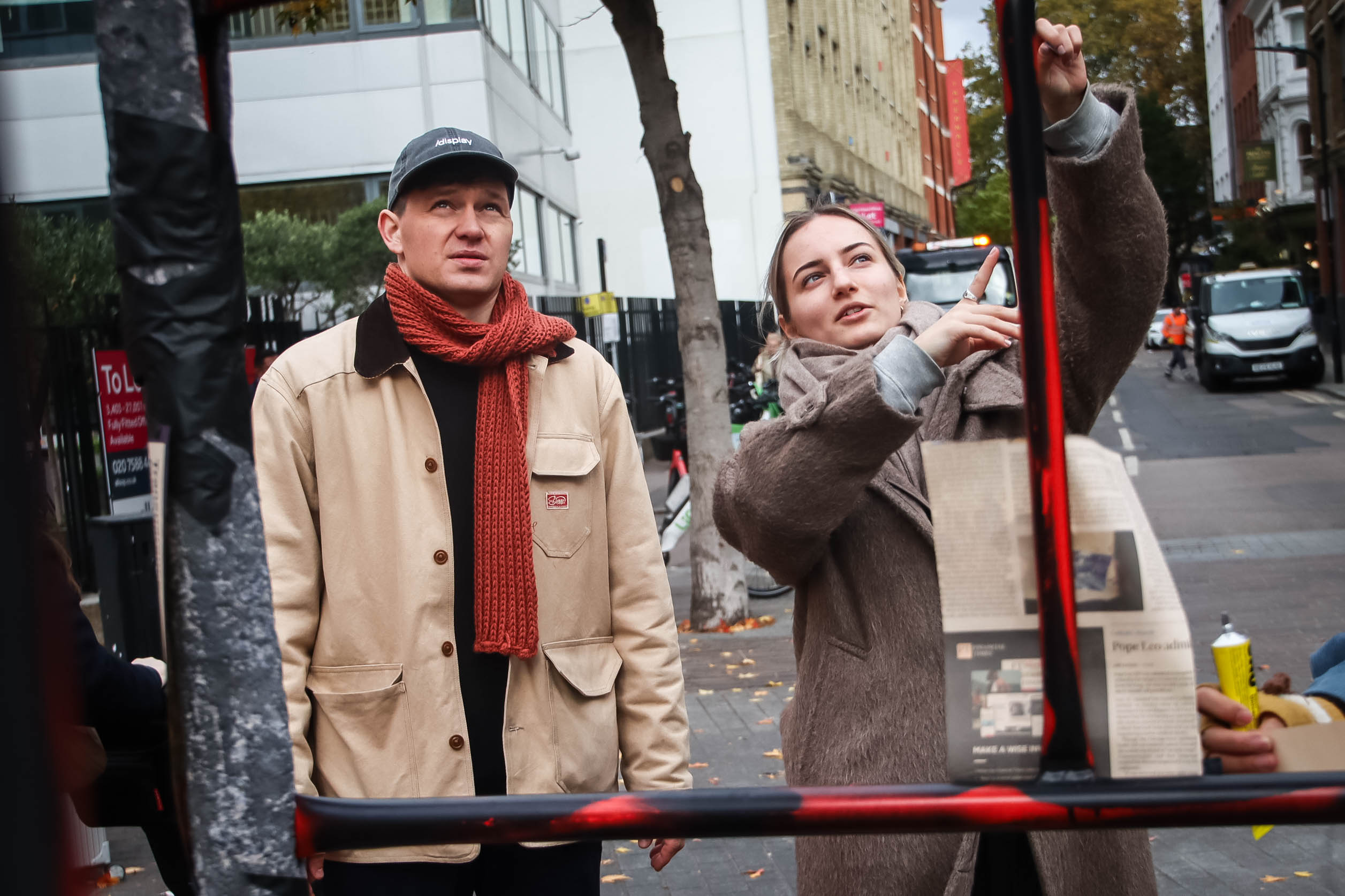
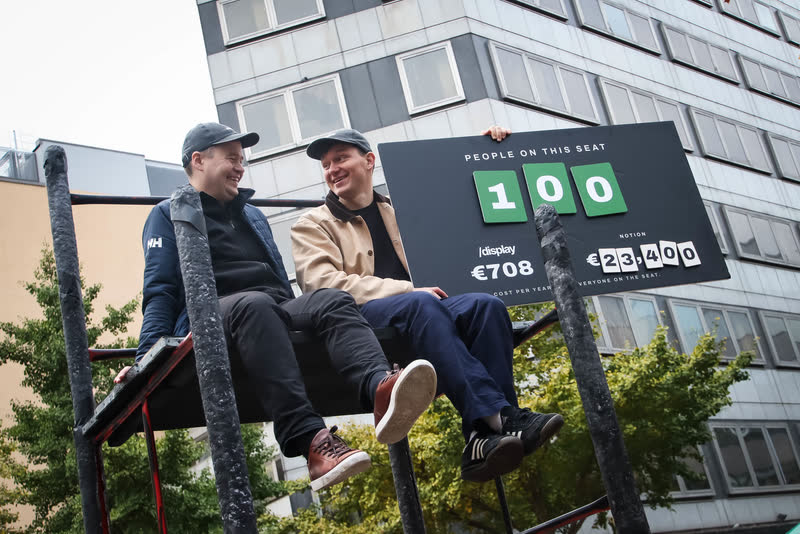
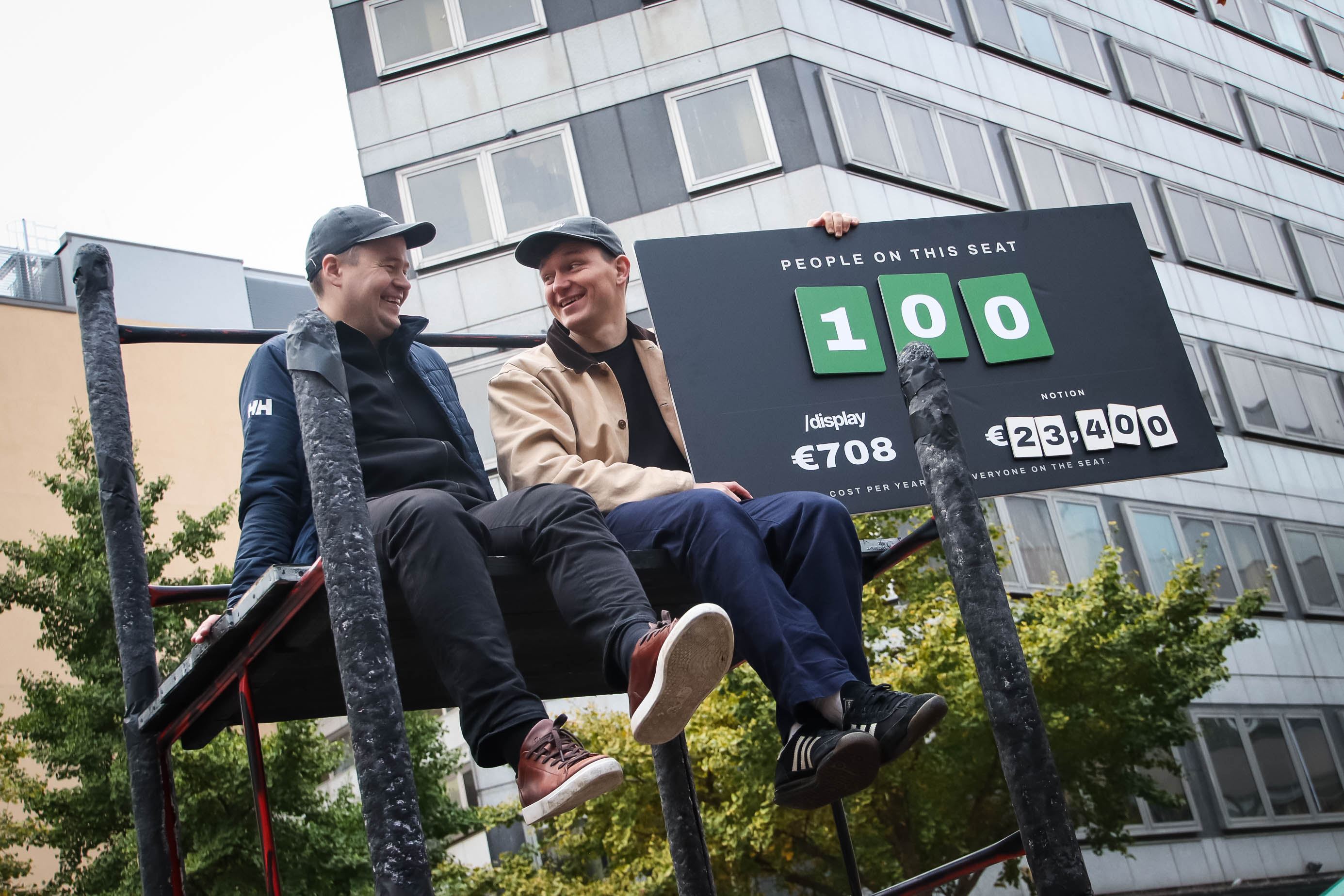
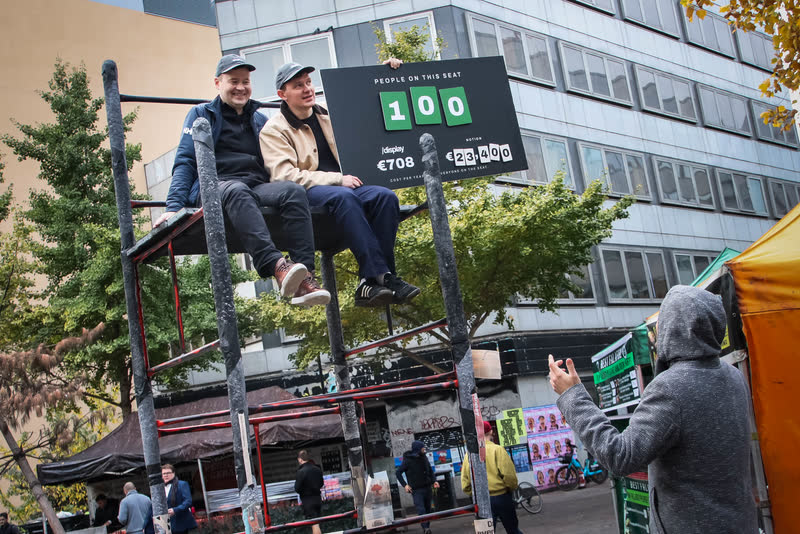
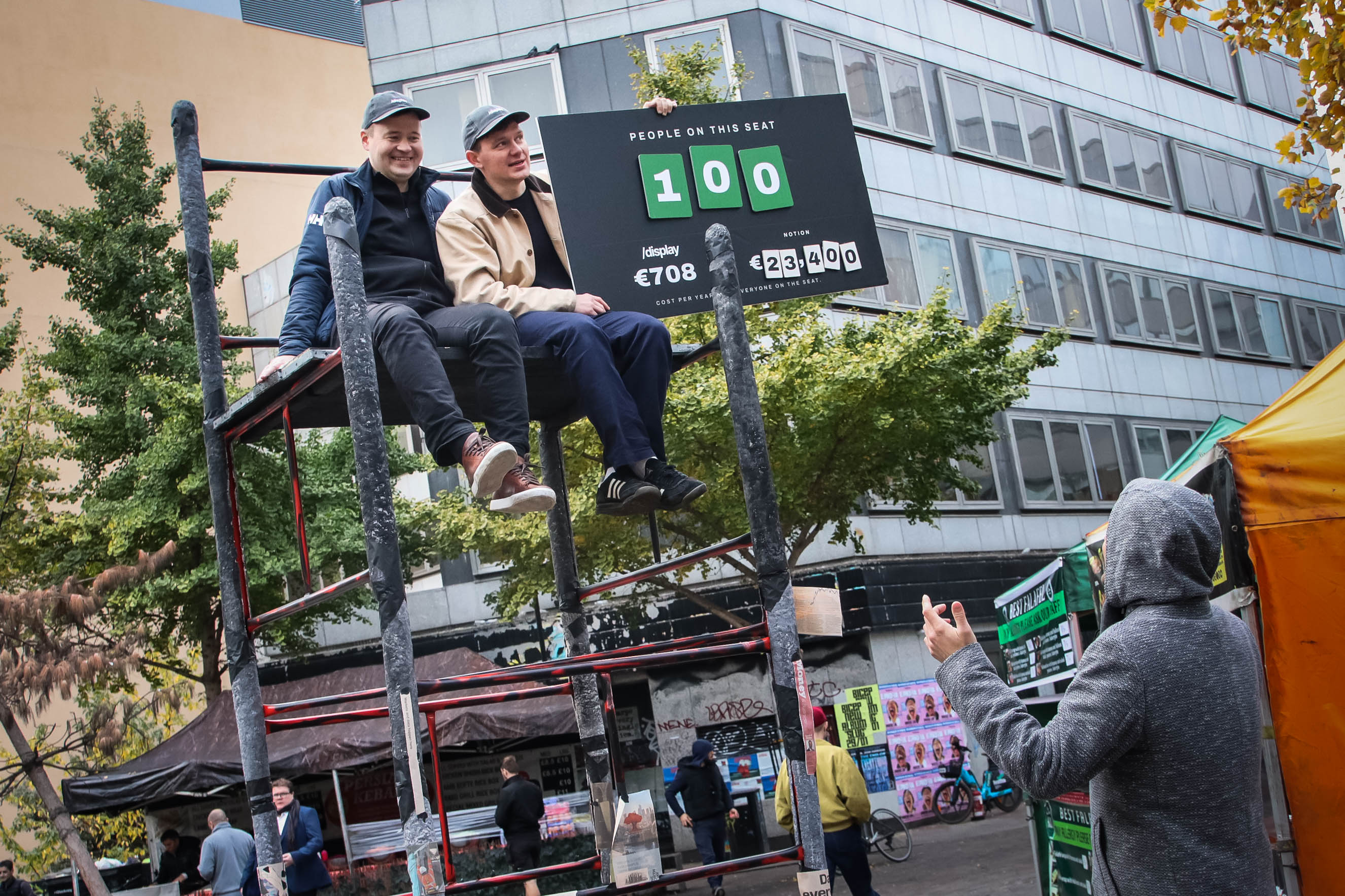
Thousands saw a 4.2-metre chair on Leonard Circus: one seat for the whole team, and an open, flat-priced alternative to per-seat software.
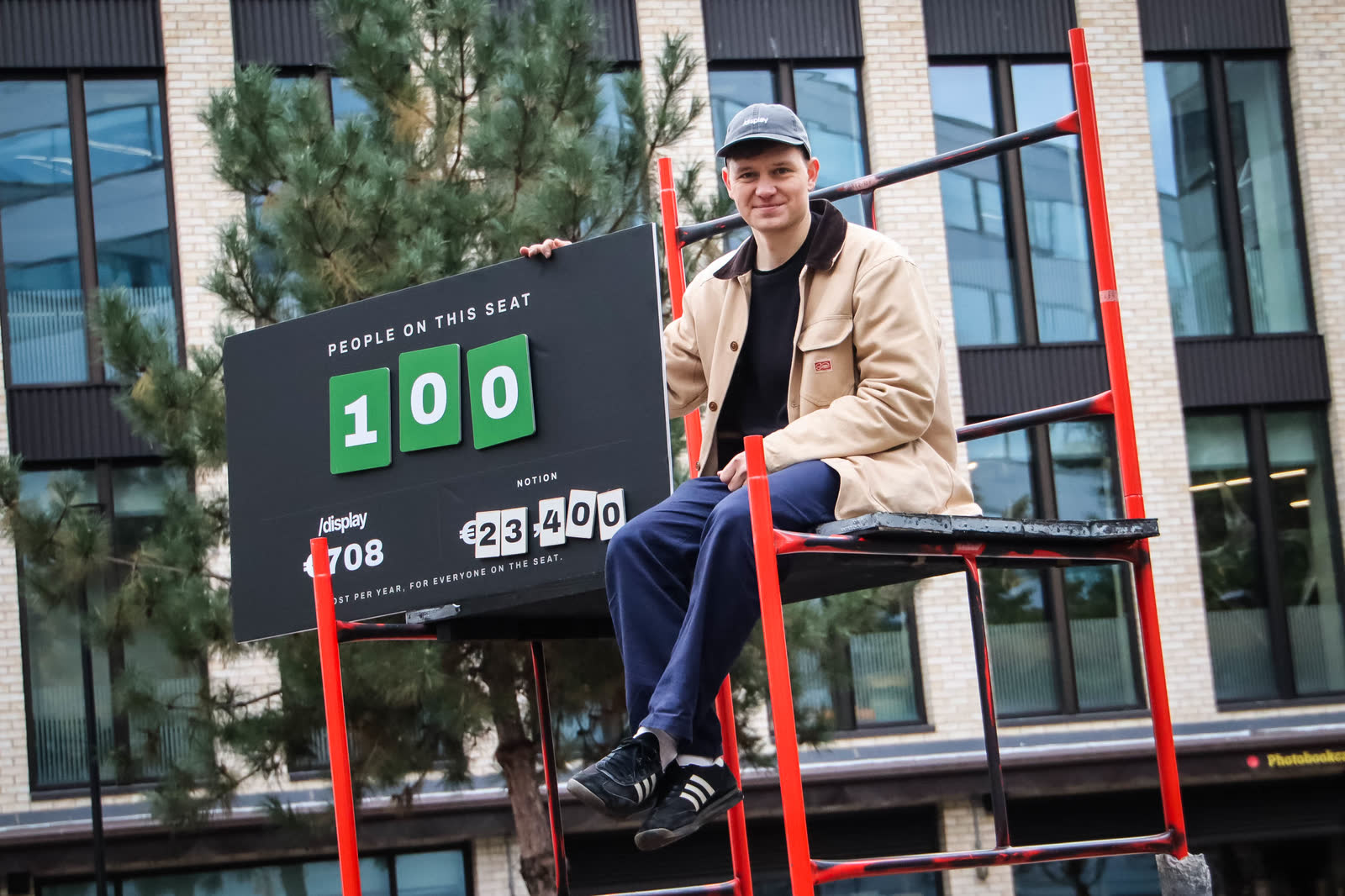
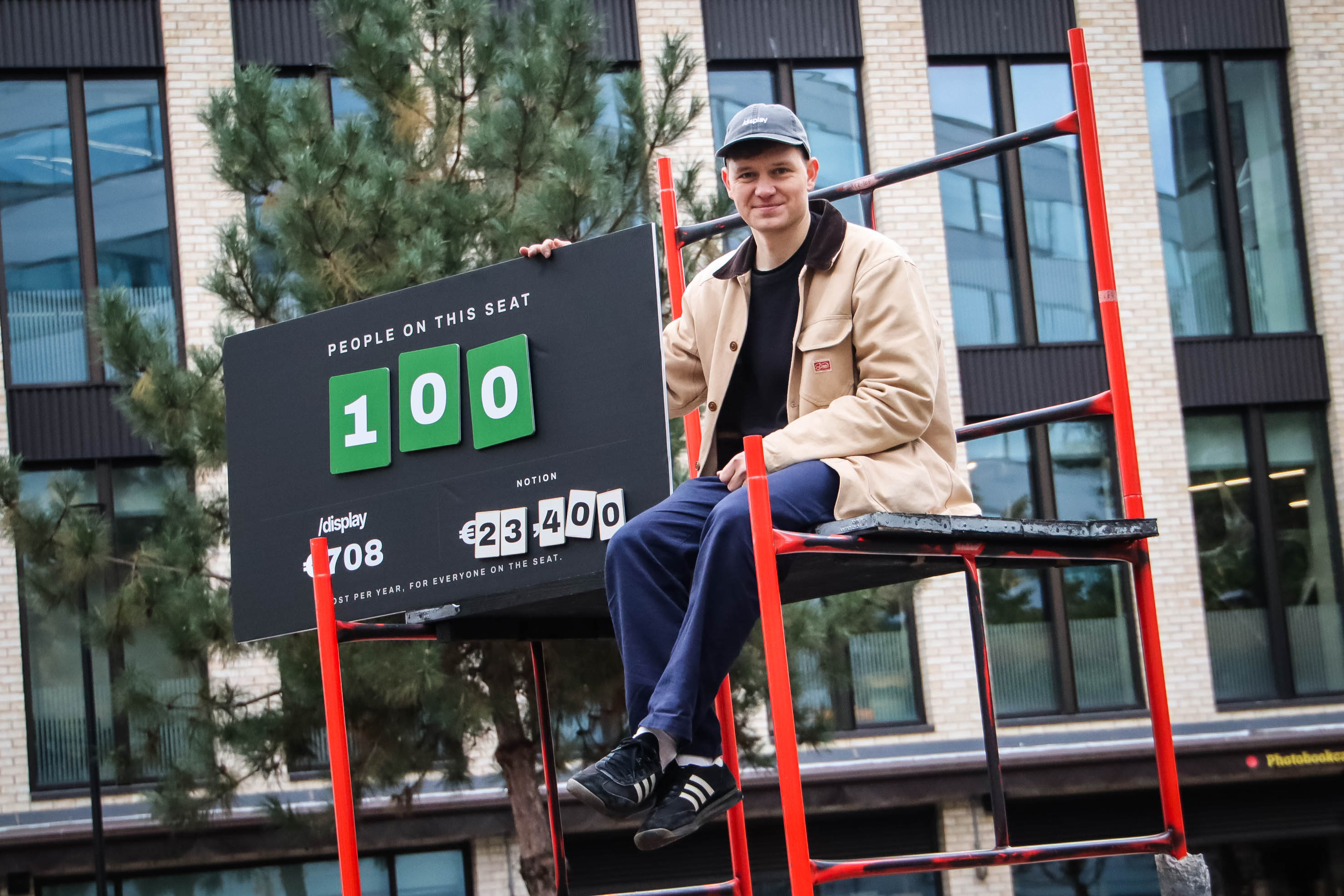
A 4.2-metre chair on Leonard Circus drew thousands of people today. Its message was simple: the software industry is changing, but its pricing hasn’t.
Big software companies are laying off thousands of people because AI lets them do more with smaller teams. The products those companies sell have not become any cheaper. Customers still pay for every seat, on every tool, every month.
The paradox
Most of the people being laid off will end up in small teams. They will join startups and creative agencies, start businesses, or team up with others to turn an idea into a product. Small teams are becoming the default way to work.
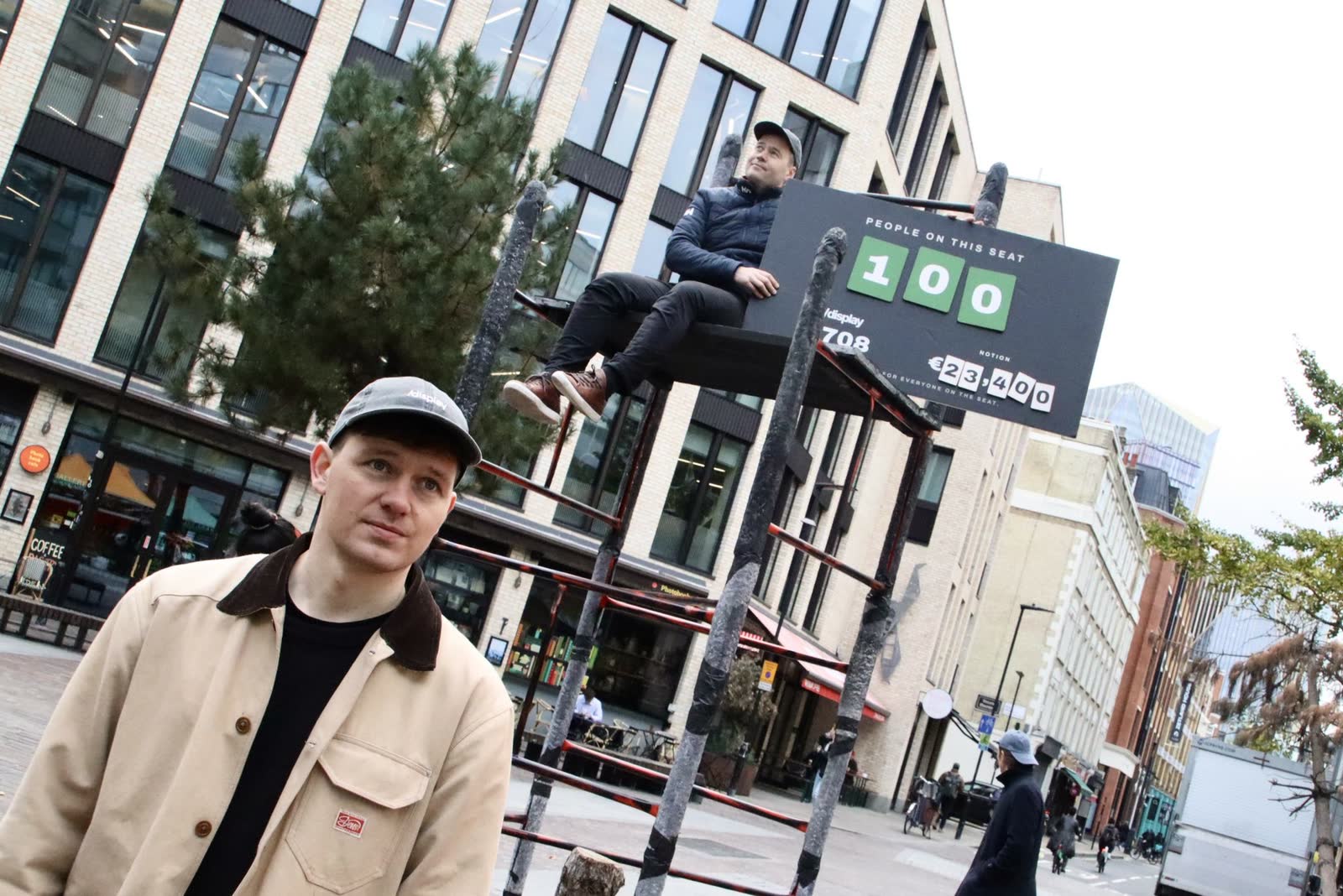
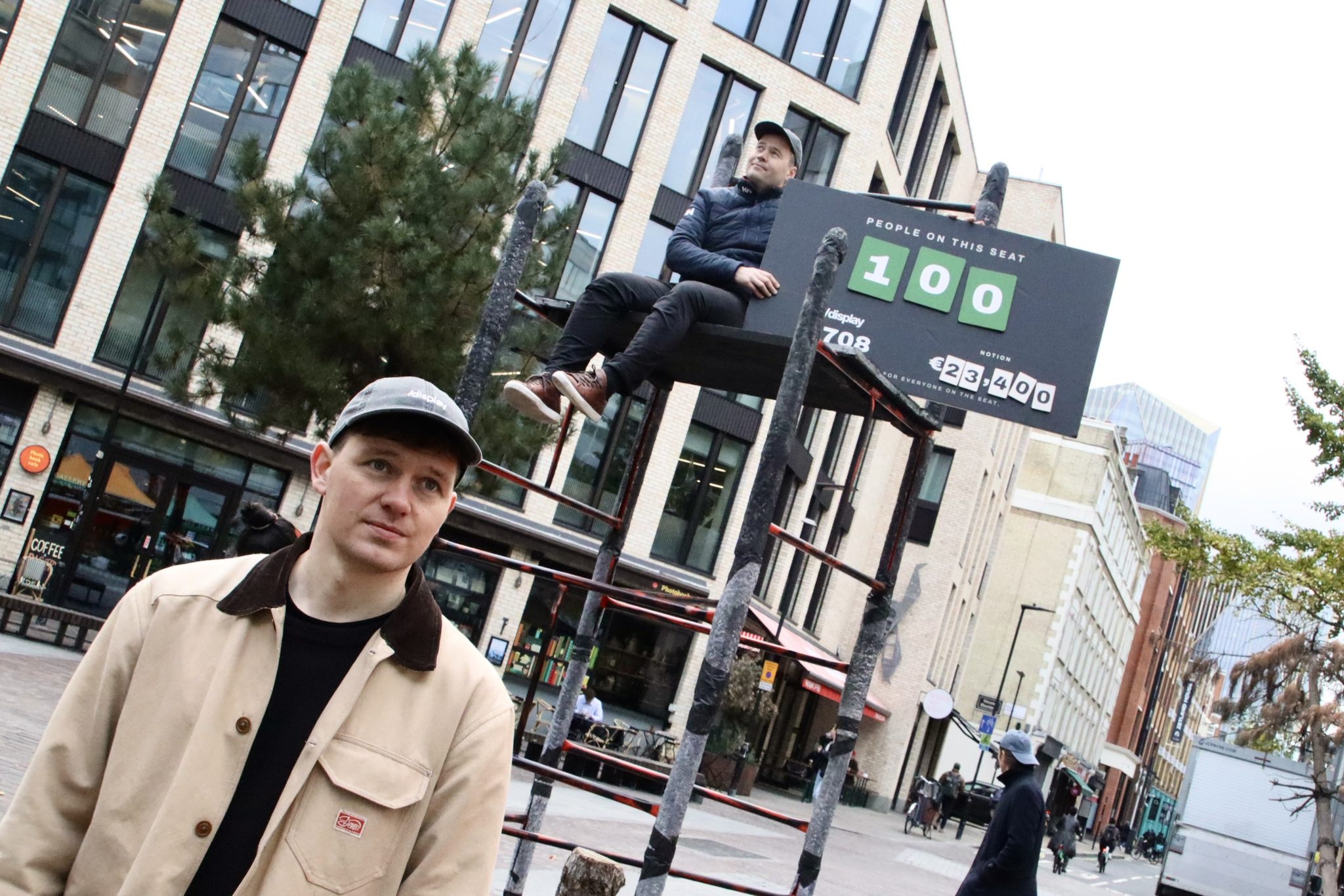
Those teams need good tools to stay competitive, but the old pricing model charges them most when they can least afford it. They pay for documents, project management and team communication as separate subscriptions. Every new hire adds another seat on every tool, so software bills grow before revenue does. For a new business, that money could go towards developing the product, winning the first customer or hiring the next person.
Why a chair
“Stop the seat” was staged by Display, an open, flat-priced AI workspace. The giant chair stands for one seat big enough for a whole team. It was a seat-in on behalf of the startups, small businesses and independents of today and tomorrow, who deserve room to grow without being charged for every seat.
“Small teams are the future, and they deserve an equal chance,” said Ott Ilves, CEO and co-founder of Display. “The tools you need to start and grow a business should be accessible from day one. That’s why Display is open and flat-priced. It costs the same whether you have 25 people or 200, so growing your team doesn’t mean a bigger bill.”
Is SaaS dead, or just changing?
Ilves says SaaS is changing, and that two things are true at once:
- AI does not replace software engineers, product designers and marketers, at least not yet.
- You no longer need hundreds of them to build a successful SaaS product. A small team can now build what a big team could before.
“You still need people to build successful companies, just fewer,” said Ilves. “The cost base of the new companies is smaller, so they can offer similar products with different business models and better prices. The big companies are facing low-end disruption, and their bill still counts people.”
The strain is already visible, according to Ilves. Bending Spoons is buying former SaaS darlings for very little. Previously industry-leading scale-ups such as Pipedrive are cutting 75% of their staff. The frontier model labs are moving into the same territory.
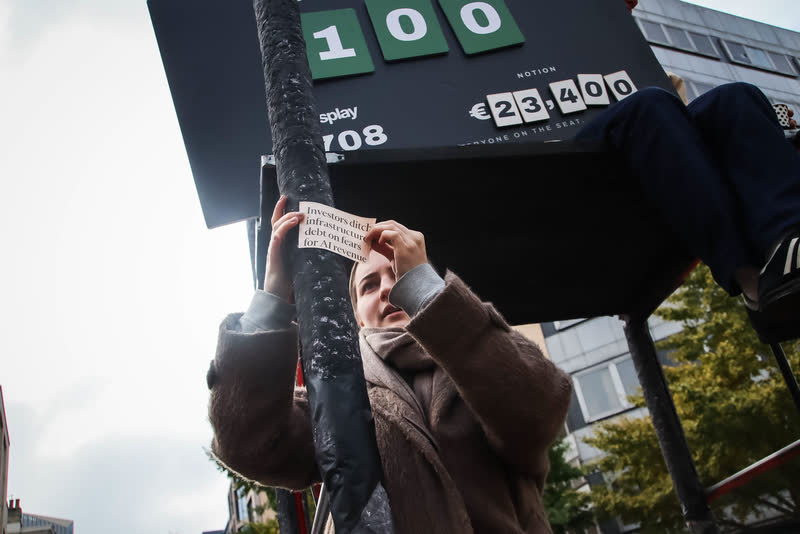
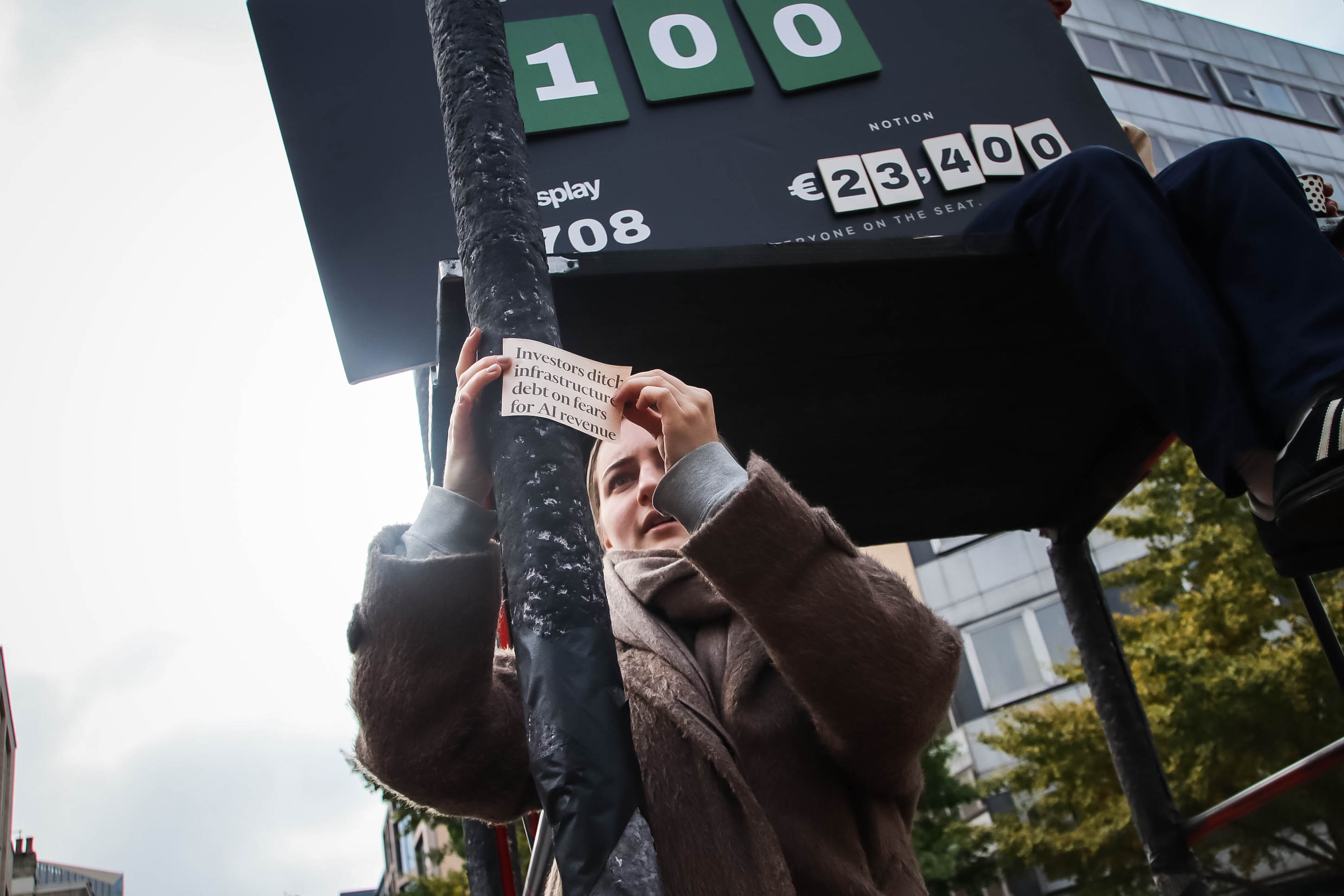
The price gap is large. A 100-person team pays €708 a year on Display versus €23,400 on Notion Business.
The chair
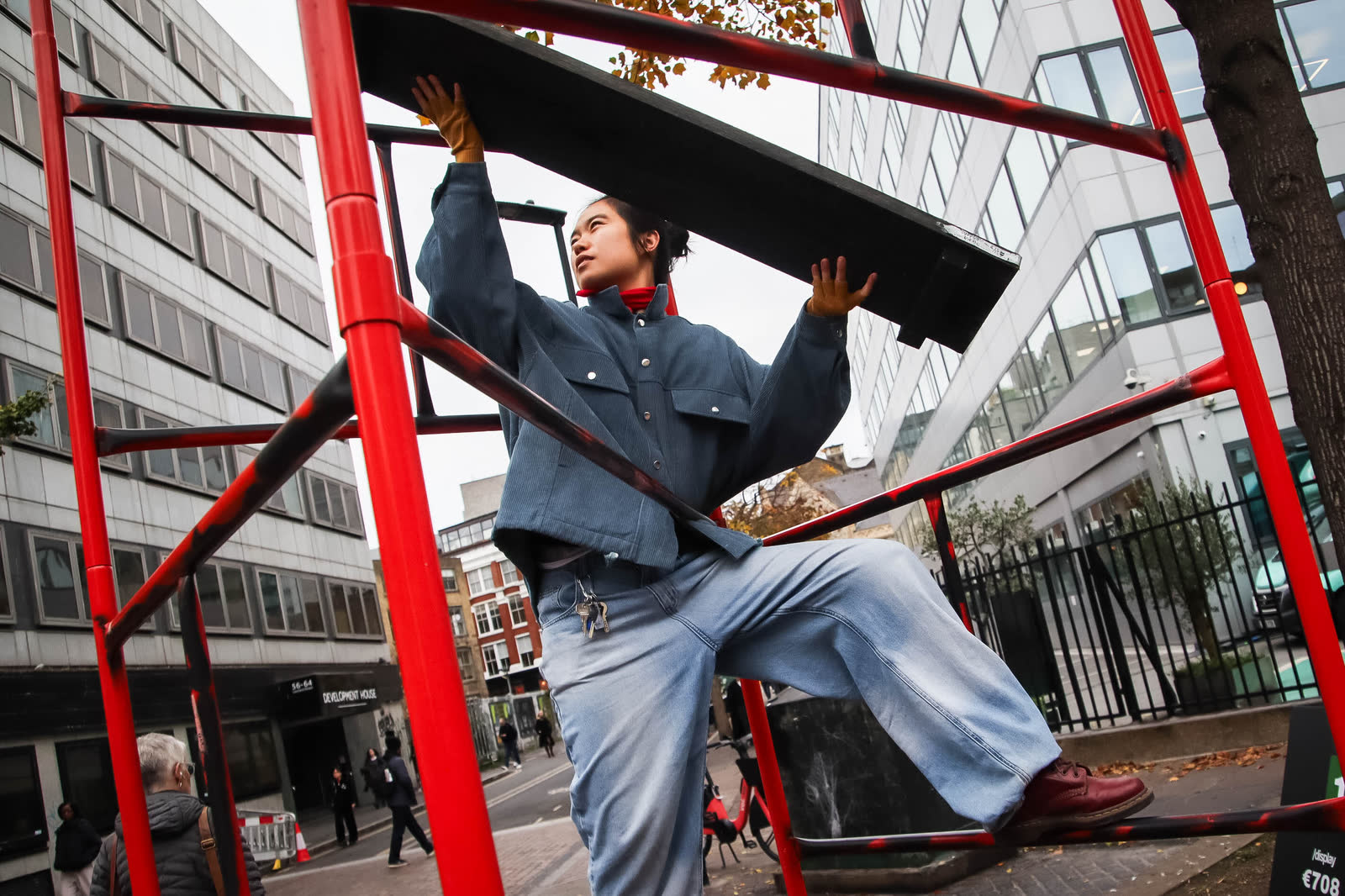
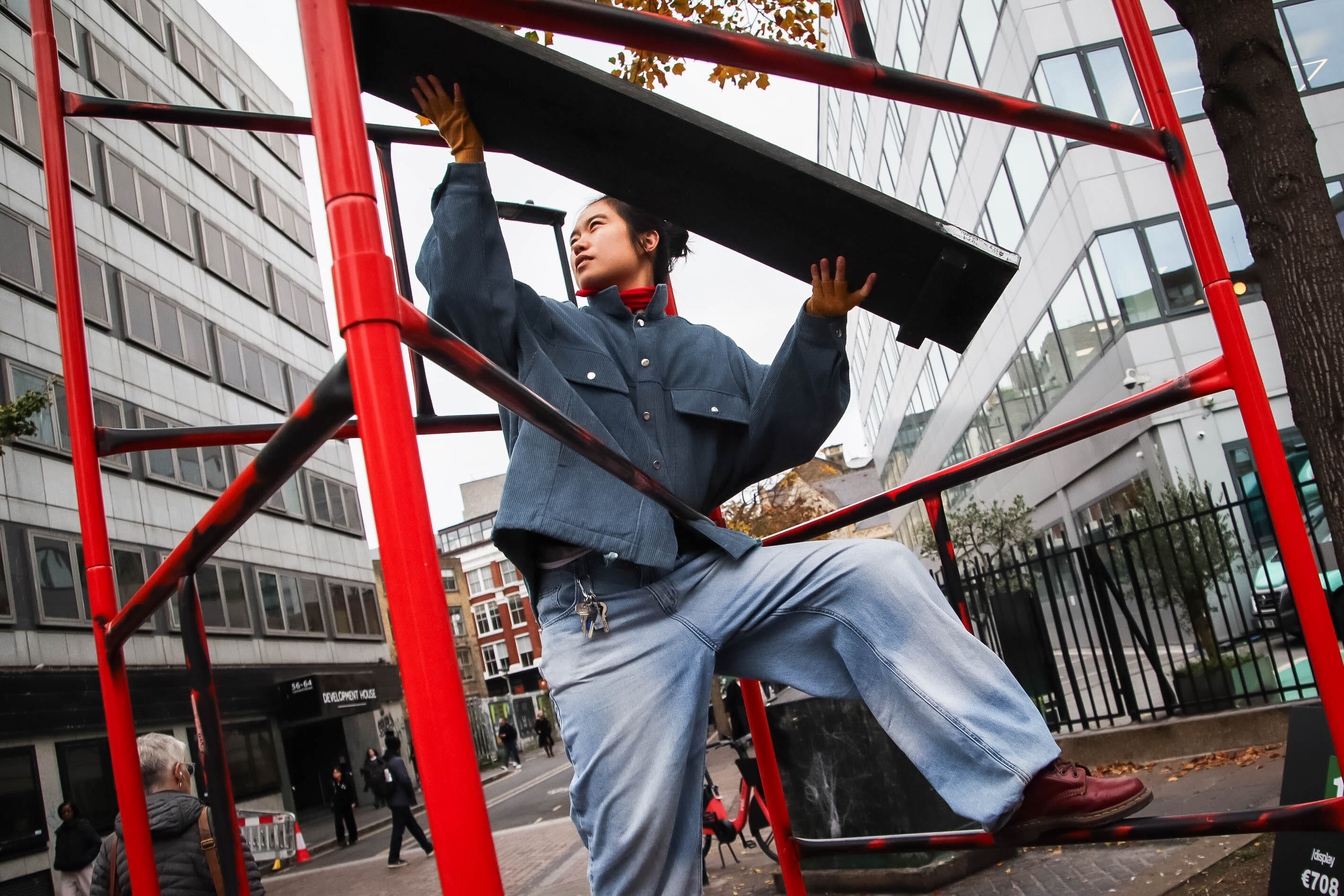
The chair was built in 20 days by London-based artist Carina Tint, who will keep it and reuse its materials in future artworks. Display 1.0, an open alternative to Claude Docs, ChatGPT Space and Notion that works with any agent and any AI plan, launched on 2 November.
Photos
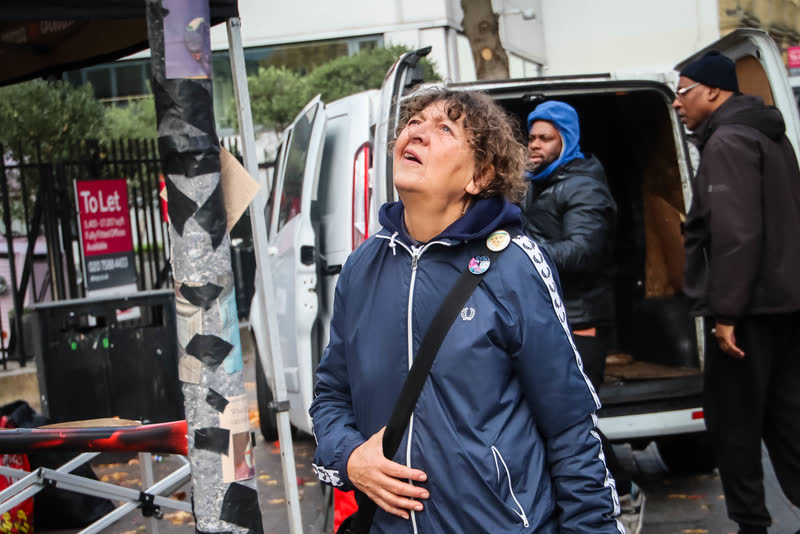
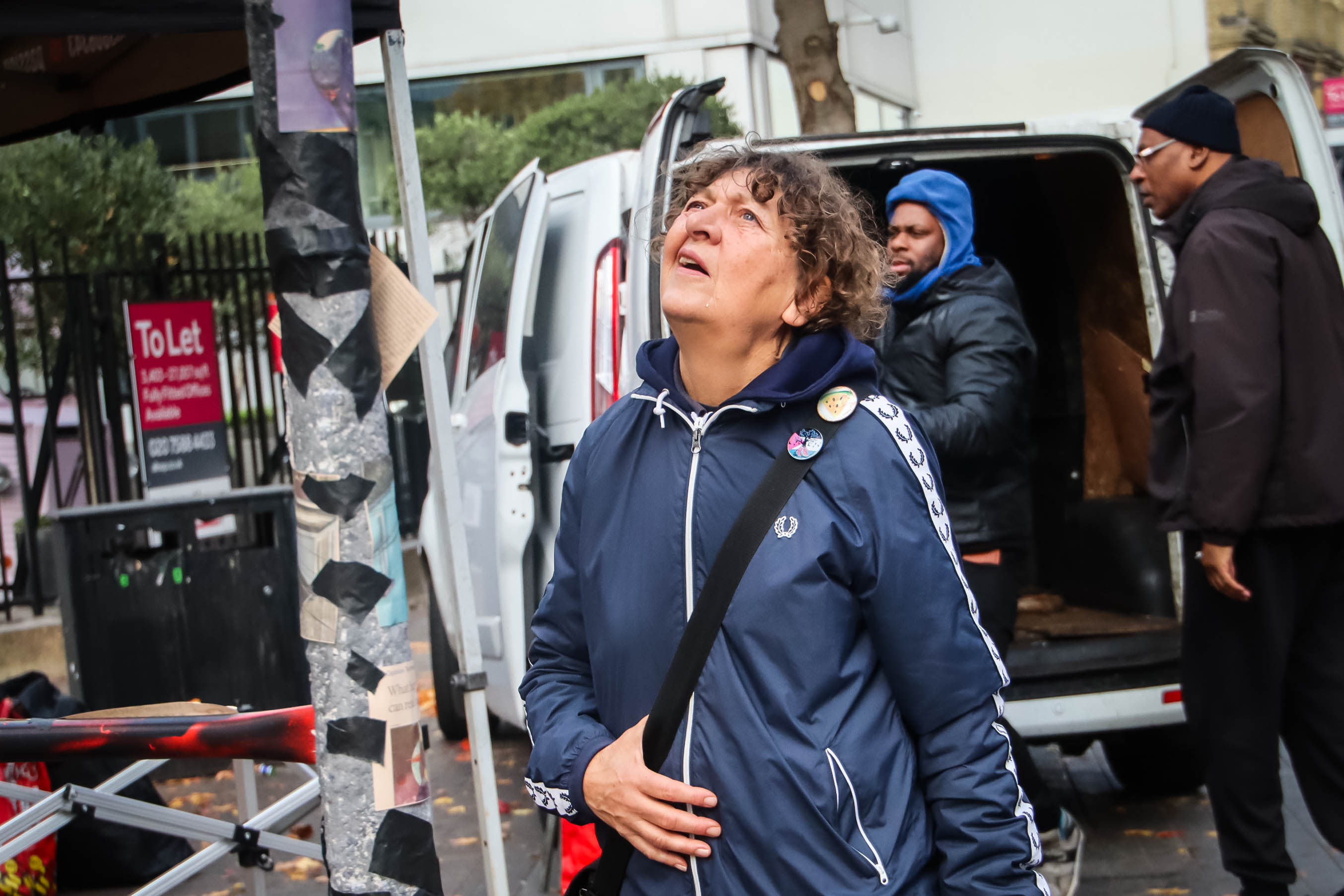
Photos from Leonard Circus for editorial use. Each download is the full-size file. Photographer: Grete Käärik.


About Display
Display is an open, flat-priced workspace for small teams. It works with any agent and any AI plan and charges one price per organisation, not per seat. Learn more at display.dev.
Ott Ilves and Carl Rannaberg, co-founders of Display, are available for interview.
Media contact
Ott Ilves, co-founder of Display